Introduction
In a fast-paced digital world, effective communication is the lifeblood of any business. Gone are the days when a simple landline could suffice for company-wide communications. As businesses evolve, so do their communication needs. Enter collaboration tools—game-changing resources that enhance connectivity and streamline workflows. This article dives deep into Collaboration Tools: Why They Matter in Your New Phone System, shedding light on how these tools can revolutionize your business phone systems.
Understanding Business Phone Systems
What Are Business Phone Systems?
Business phone systems are telecommunication setups designed to handle a high volume of calls within an organization. Unlike traditional home phone lines, they offer features tailored specifically for businesses, such as call forwarding, voicemail-to-email, and conference calling capabilities.
Types of Business Phone Systems
Traditional Landline Systems- Pros: Reliable, easy to use. Cons: Limited features, often costly.
- Pros: Flexible and feature-rich. Cons: Relies on internet connectivity.
- Combines traditional and VoIP technologies.
Why Invest in a Business Phone System?
Investing in a quality business phone system means investing in your company’s future. It not only enhances internal communication but also improves customer service efficiency—two critical components for growth and success.
The Landscape of Collaboration Tools
What Are Collaboration Tools?
Collaboration tools are software applications designed to facilitate teamwork by enabling seamless communication and project management among team members, regardless of their location.
Types of Collaboration Tools
Instant Messaging Platforms- Examples: Slack, Microsoft Teams
- Examples: Zoom, Google Meet
- Examples: Trello, Asana
- Examples: Google Drive, Dropbox
Collaboration Tools: Why They Matter in Your New Phone System
Enhancing Communication Efficiencies
When integrated with modern business phone systems, collaboration tools significantly streamline internal communications. For instance:
- Instant messaging allows for quick queries without waiting for email responses. Video conferencing facilitates face-to-face interactions that foster stronger connections.
Promoting Remote Work Flexibility
Today's workforce is increasingly remote or hybrid. Collaboration tools empower employees to work from anywhere SoundCurve - Business Phone Systems VoIP Phone Service Oregon while staying connected through your new phone system.
Improving Project Management
With project management software integrated into your phone system, teams can track progress in real-time without missing a beat—ensuring everyone is aligned with goals and deadlines.
Benefits of Integrating Collaboration Tools with Phone Systems
Seamless Integration Capabilities
One major advantage is the ability to integrate these tools seamlessly into existing infrastructure. This means less downtime during transitions and fewer disruptions in service.
Cost Efficiency
By consolidating various functions (like calling and messaging) into one platform, businesses can save money while enhancing productivity.
Enhanced Customer Experience
A well-oiled communication system translates into better customer service—no more missed calls or delayed responses when your team has the right tools at their disposal.
Key Features to Look For
Scalability
Your collaboration tools should be able to grow alongside your business without requiring extensive changes or additional investments.
User-Friendly Interface
An intuitive interface ensures that all team members can use the system effectively without extensive training sessions.
Security Measures
With sensitive data being shared across platforms, robust security protocols must be in place to protect both company information and customer data.
Real-World Applications of Collaboration Tools
Success Stories from Various Industries
Consider tech giants like Google and Microsoft; they’ve revolutionized their operations through seamless collaboration among teams using advanced phone systems paired with productivity-enhancing software.
| Industry | Tool Used | Impact | |-----------------|---------------------|-----------------------------------------------| | Tech | Slack | Improved response time by 30% | | Retail | Zoom | Enhanced training sessions with remote staff | | Healthcare | Microsoft Teams | Facilitated better patient care coordination |
Challenges You Might Encounter
Adoption Resistance
Employees may resist transitioning to new systems due to familiarity with past methods. Overcoming this hurdle requires effective training programs that highlight the benefits of these advancements.
Technical Issues
Integration hiccups can occur when merging different platforms; having strong IT support is essential for troubleshooting issues swiftly.
How to Choose the Right Collaboration Tools for Your Needs?
Assess Your Team's Needs Research Available Options Consider Budget Constraints Look at User Reviews Test Different Solutions Before CommittingFAQ Section
Q1: What are the most popular collaboration tools?
Q2: How do collaboration tools improve productivity?
A2: They streamline communication processes, making it easier for team members to share information quickly without unnecessary delays.
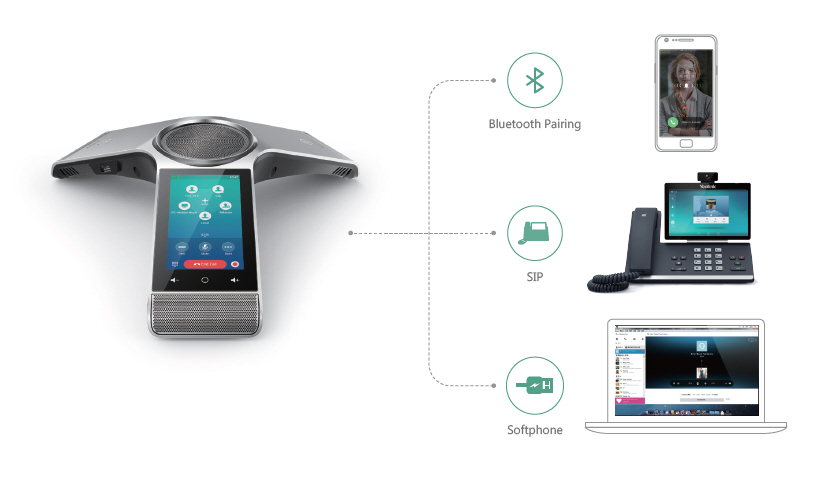
Q3: Can I integrate multiple collaboration tools into my existing phone system?
A3: Yes! Most modern business phone systems are designed to integrate seamlessly with various collaboration platforms.
Q4: What if my team works remotely? Will these tools still be effective?
A4: Absolutely! In fact, they’re particularly beneficial for remote teams as they facilitate real-time communication irrespective of geographical barriers.
Q5: How secure are these collaboration tools?
A5: Most reputable platforms implement robust security measures including encryption protocols and compliance certifications to safeguard user data.
Q6: Do I need special training to use these tools?
A6: While some basic understanding is beneficial, most modern collaboration tools have intuitive interfaces designed for ease of use even by non-tech-savvy individuals.
Conclusion
As we've explored throughout this article on Collaboration Tools: Why They Matter in Your New Phone System, it's clear that leveraging cutting-edge technology within your communication framework isn't just advantageous—it’s essential! The integration of collaboration tools into your business phone systems not only streamlines operations but also fosters an environment where creativity flourishes and productivity soars! So why wait? Embrace the future today!